Physics
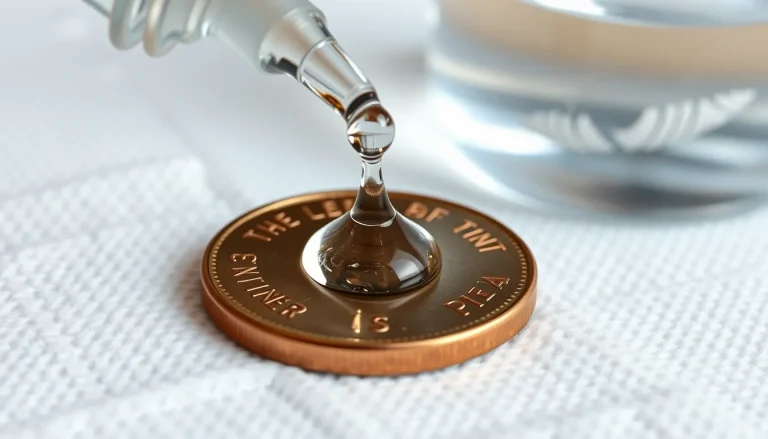
How Many Drops of Water Fit on a Coin? A Surface‑Tension Demonstration
Place a clean coin on a flat surface, add drops of water with an eye‑dropper, and count how many stay before spilling. The activity…
MATERIAL COLLECTION
Everyday materials, clear steps, and big questions. Find a hands-on project that fits your curiosity.
Place a clean coin on a flat surface, add drops of water with an eye‑dropper, and count how many stay before spilling. The activity…
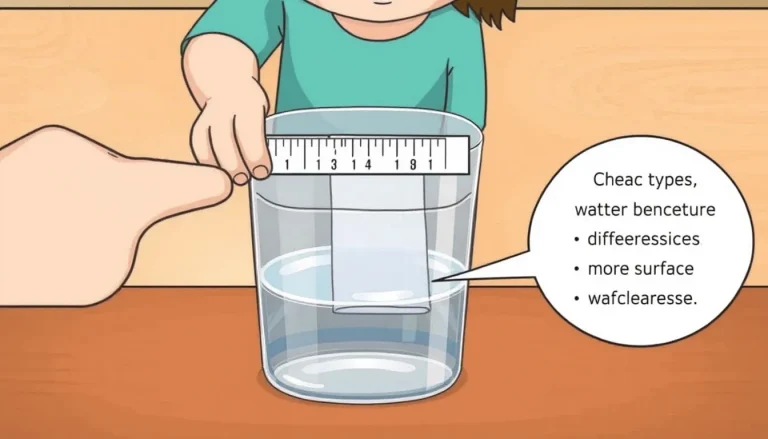
If a science experiment doesn’t work, first check for simple mistakes, reassess uncertainties, and systematically troubleshoot. This guide walks you through a beginner‑level paper‑strip…
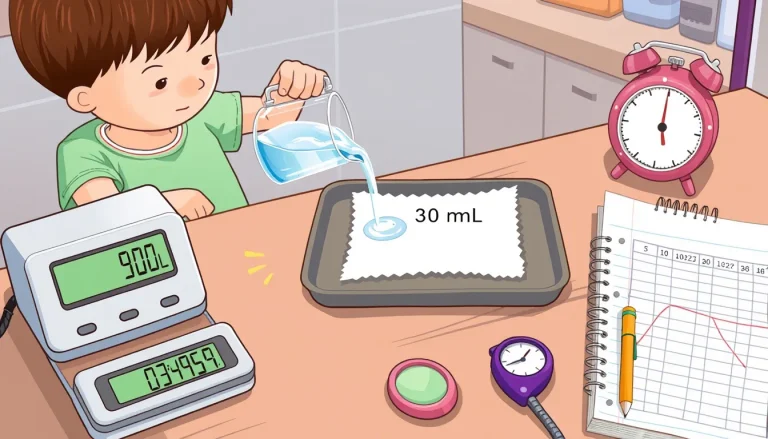
A science demonstration becomes a real experiment when you add a clear hypothesis, define variables, use a control, and record repeated measurements. This guide…
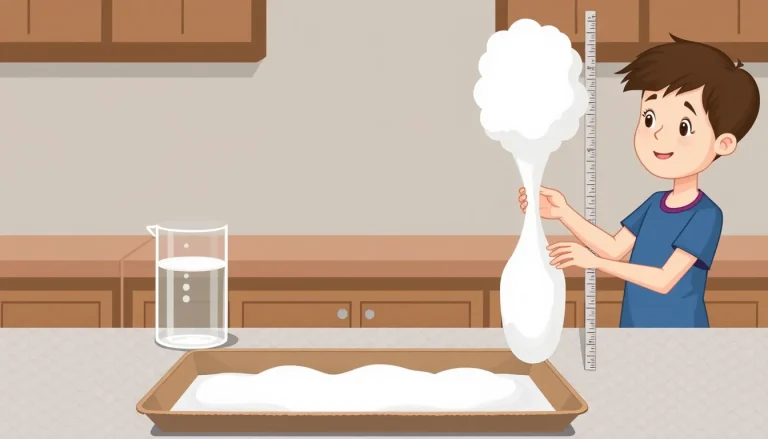
Learn how to compare the water‑absorption power of everyday paper towels with a simple experiment that teaches capillary action, measurement, and data analysis.
A hypothesis is a testable prediction that guides an experiment. This guide shows how to write clear hypotheses, gives real‑world examples, and walks you…
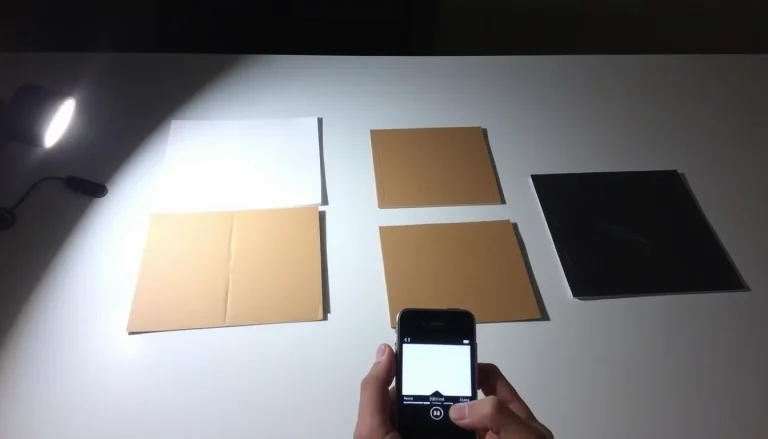
In this simple home experiment you’ll compare how well different everyday materials absorb visible light. Using a flashlight, a few sheets of paper or…
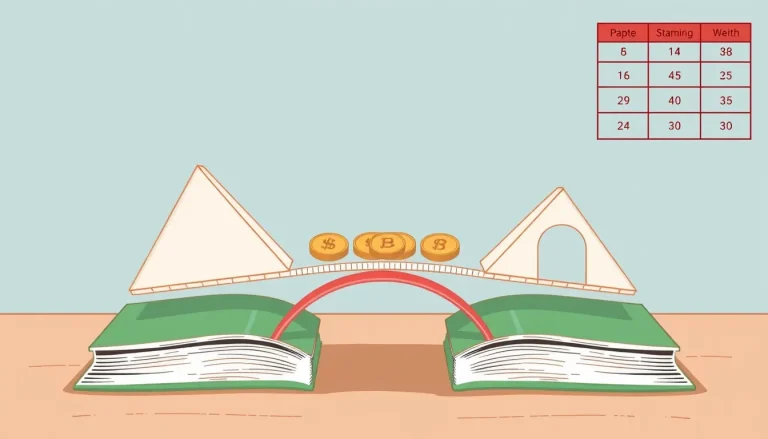
Build simple paper bridges in three shapes—triangle, square, and arch—test how much weight each can support, and discover why triangles are the strongest shape…
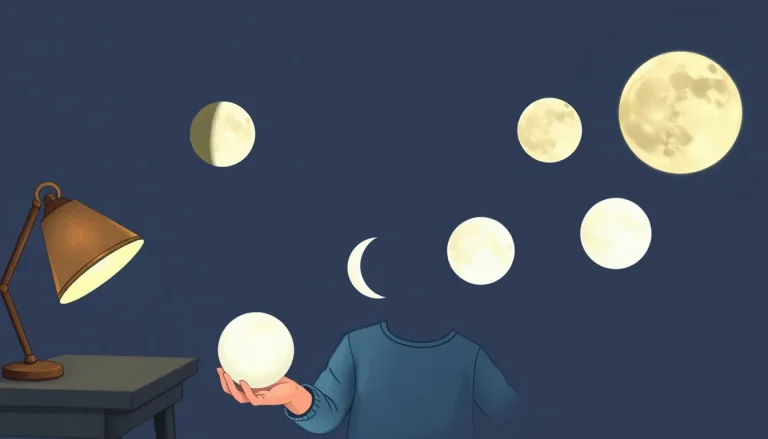
A simple lamp‑and‑ball model lets children see why the Moon looks different each night. By holding a ball in a lamp’s light and turning…
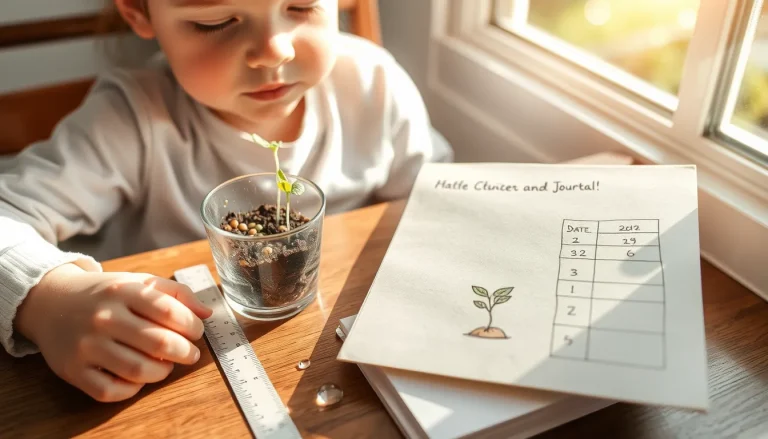
Children plant seeds, record daily changes in a simple journal, and learn how roots, stems, and leaves develop. The activity uses everyday items and…