How Does Adding a Cover Affect the Rate of Water Evaporation? – A Simple Experiment
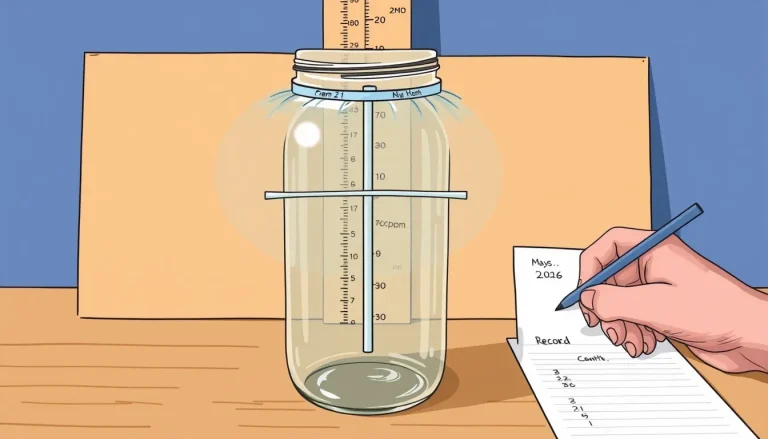
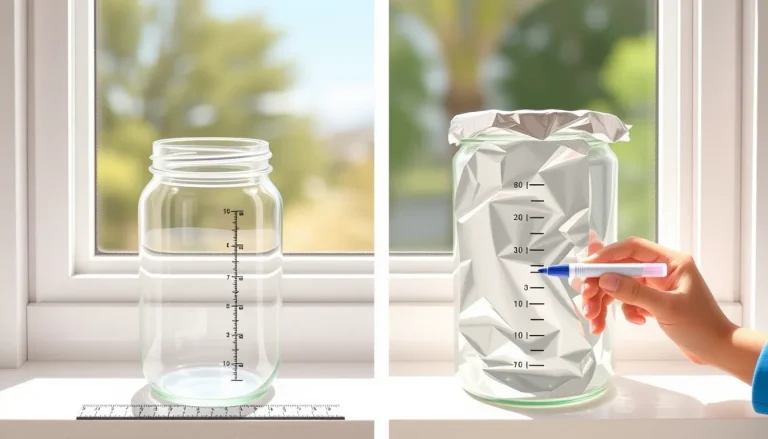
Covering a water container slows the loss of water by evaporation. This beginner‑level experiment lets children compare an uncovered jar with a jar sealed…
TOPIC COLLECTION
Everyday materials, clear steps, and big questions. Find a hands-on project that fits your curiosity.
Covering a water container slows the loss of water by evaporation. This beginner‑level experiment lets children compare an uncovered jar with a jar sealed…
Build a simple barometer using a jar, balloon, straw and cardboard, then record daily pointer movements to see how atmospheric pressure relates to weather…
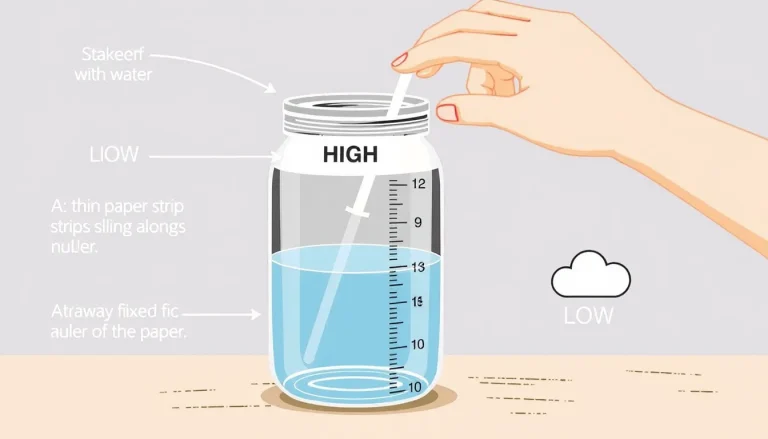
Create a quick, low‑cost barometer with a jar, water, and a piece of paper to watch atmospheric pressure rise and fall. Children can see…
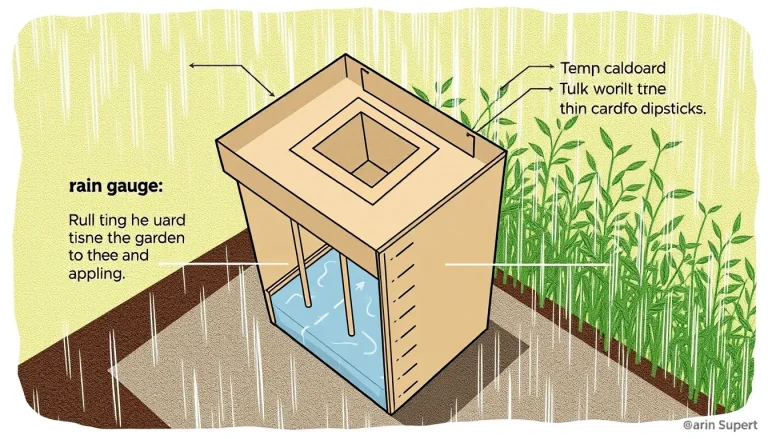
Learn how to make a simple rain gauge from cardboard, set it up safely outdoors, and keep a daily record of rainfall. This beginner‑level…
{ “title”: “Do Newspaper Mulch and Cardboard Mulch Differ in Reducing Soil Water Loss? An Experiment”, **”slug”: “newspaper-vs-cardboard-mulch-experiment”, “excerpt”: “This beginner‑level experiment lets kids…
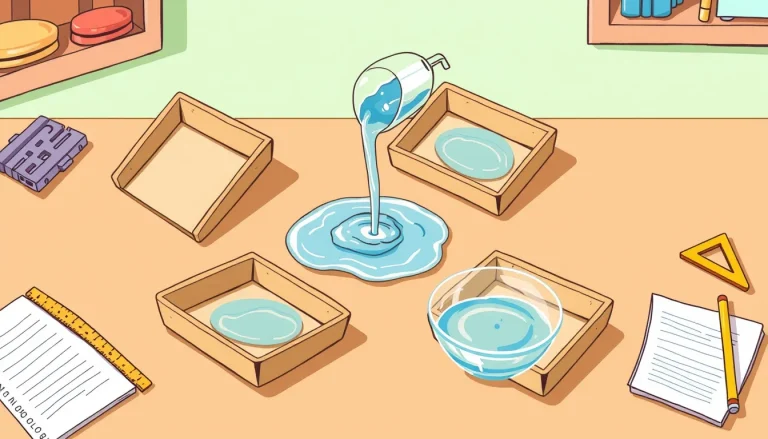
Steeper slopes cause rain to run off faster and in larger amounts. By building tilted trays and measuring the water that drains away, families…
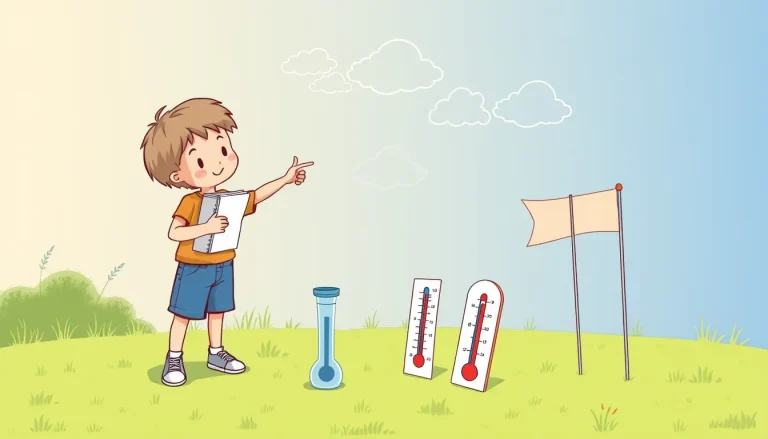
A weather journal lets children record temperature, cloud types, and precipitation over days, helping them see how clouds and rain are linked. This guide…
Explore how shade changes the temperature of soil by comparing a sunny spot with a shaded one using everyday items like a cardboard shade…
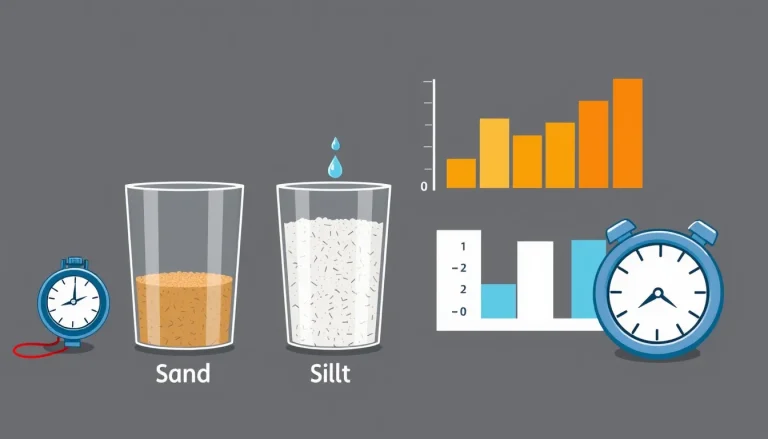
Kids can discover which soil – sand, silt, or clay – lets water drain the quickest by measuring how long it takes water to…