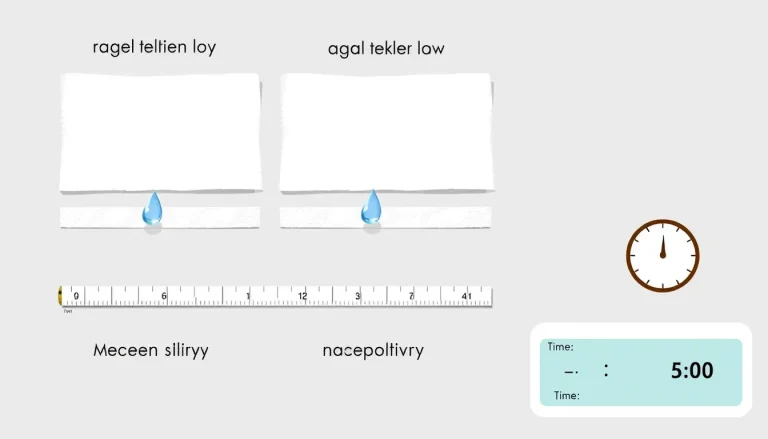
This experiment lets children compare single‑, double‑ and triple‑ply paper towels to see how thickness changes the speed at which water moves by capillary…
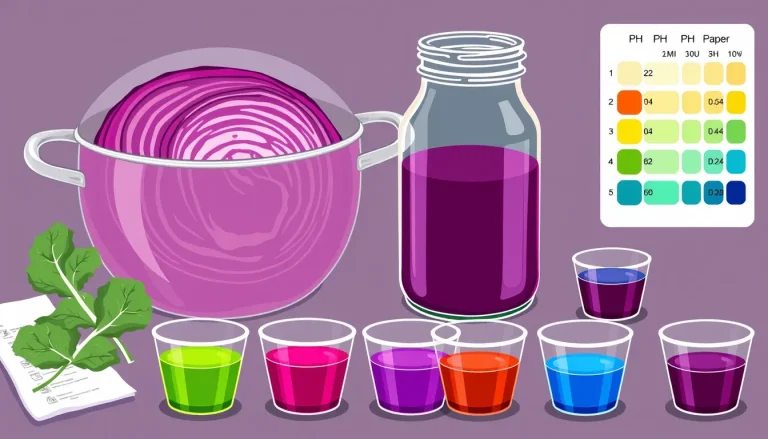
Red cabbage juice turns different colours in acidic, neutral, and alkaline solutions, letting children compare the pH of common kitchen liquids and see how…
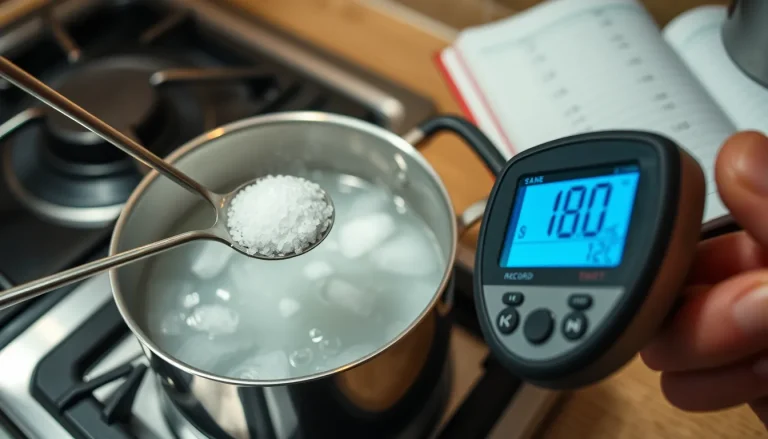
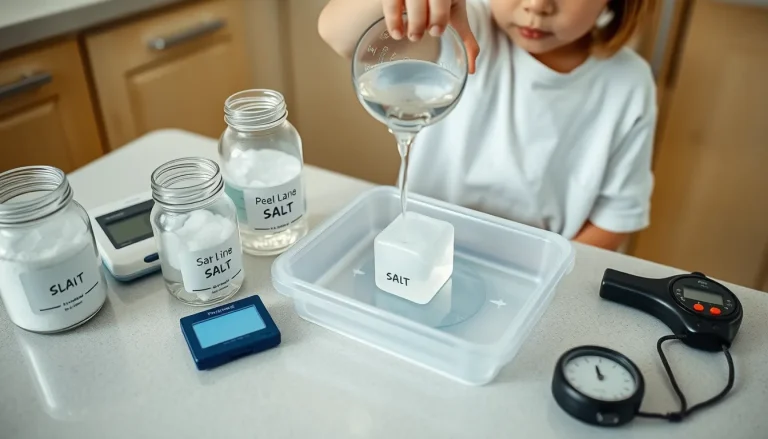
This experiment lets children discover how different amounts of salt change the speed at which ice melts, demonstrating the science of freezing‑point depression with…
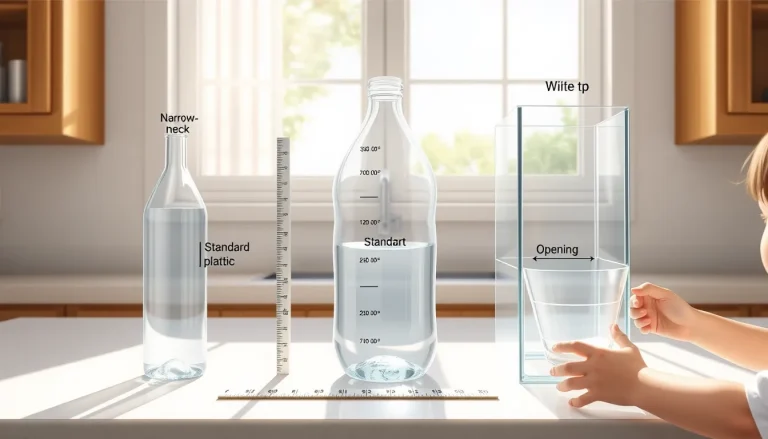
Explore how the amount of open surface influences the speed at which water disappears. By comparing identical volumes of water in containers with different…
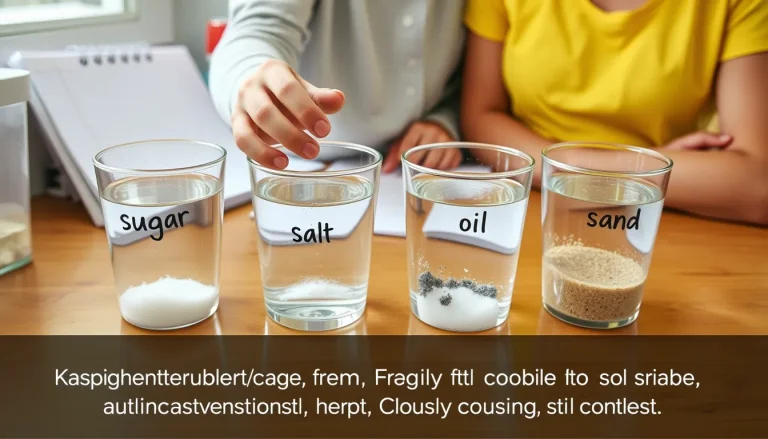
A science demonstration becomes a real experiment when you add a clear hypothesis, define variables, use a control, and record repeated measurements. This guide…
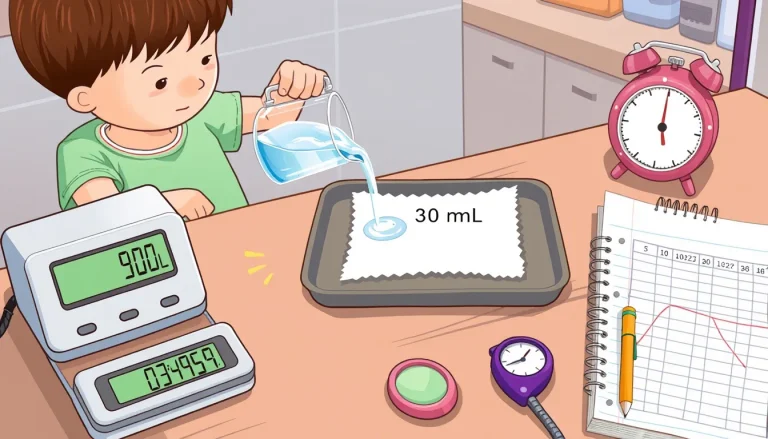
Learn how to compare the water‑absorption power of everyday paper towels with a simple experiment that teaches capillary action, measurement, and data analysis.
Design and construct a simple water filter using a recycled plastic bottle and everyday materials. Kids learn about filtration, engineering design, and how to…
Step-by-step project
ORDINARY MATERIALS. EXTRAORDINARY POSSIBILITIES.
One good question can start something big.
Find your next hands-on discovery. No fancy lab required.