Chemistry & Materials
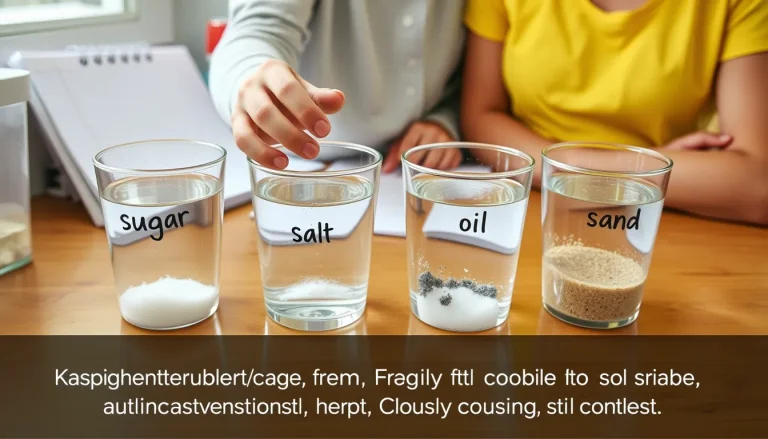
Which Materials Dissolve in Room‑Temperature Water? A Hands‑On Demonstration
Explore how everyday items behave when placed in a glass of water at room temperature. Kids can see which substances dissolve, which stay suspended,…
DIFFICULTY LEVEL COLLECTION
Everyday materials, clear steps, and big questions. Find a hands-on project that fits your curiosity.
Explore how everyday items behave when placed in a glass of water at room temperature. Kids can see which substances dissolve, which stay suspended,…
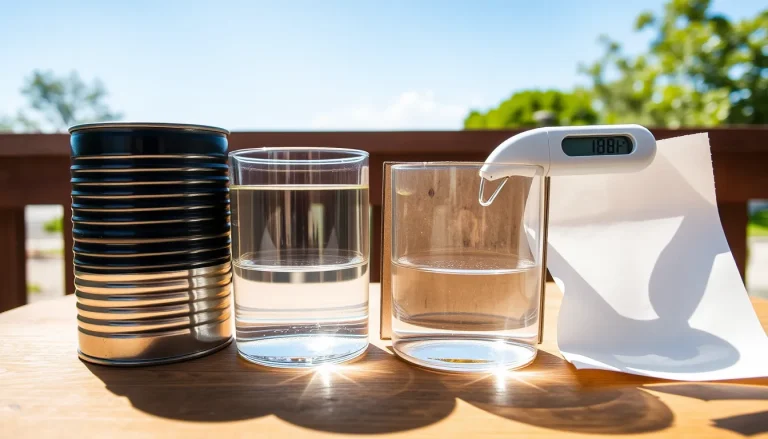
Dark, low‑albedo surfaces such as black‑painted metal or lamp‑black material heat up fastest in direct sunlight, while light‑colored or reflective surfaces stay cooler. By…
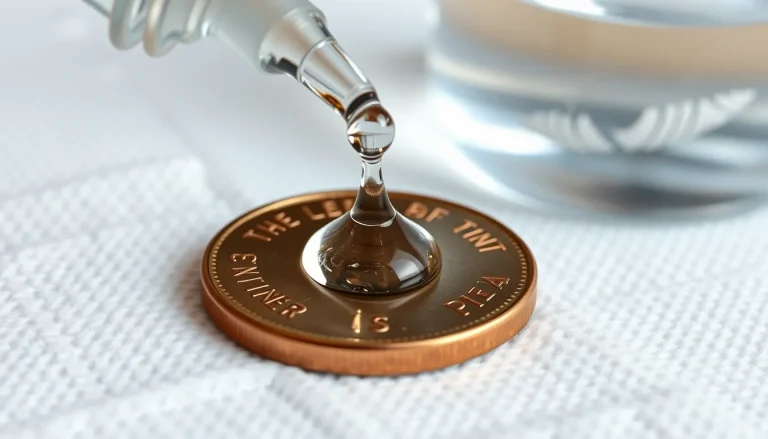
Place a clean coin on a flat surface, add drops of water with an eye‑dropper, and count how many stay before spilling. The activity…
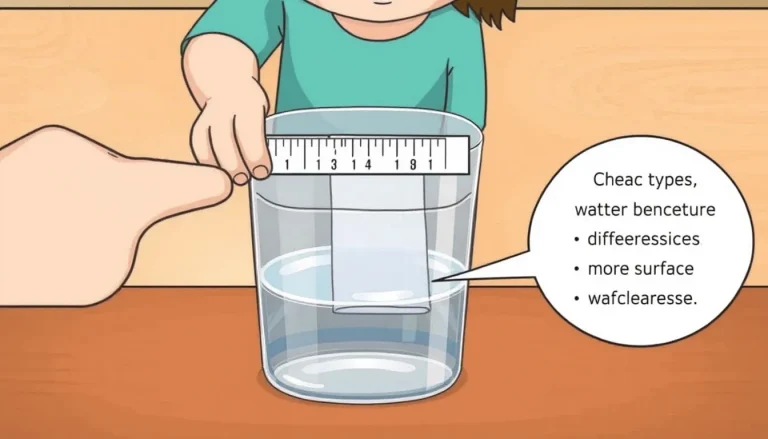
If a science experiment doesn’t work, first check for simple mistakes, reassess uncertainties, and systematically troubleshoot. This guide walks you through a beginner‑level paper‑strip…
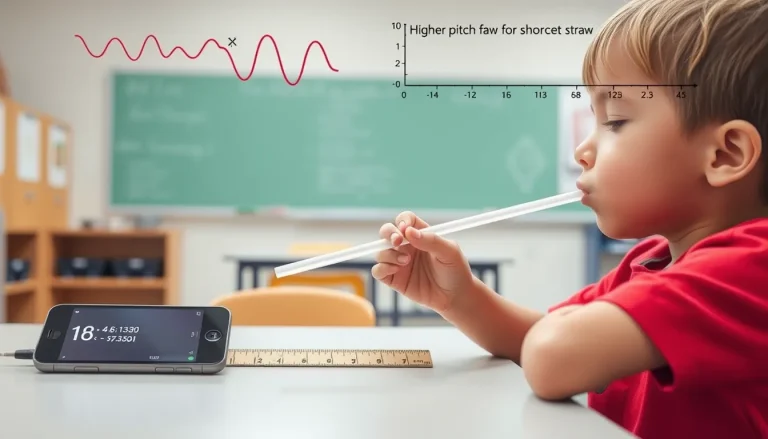
Yes—making a straw shorter raises the pitch, and lengthening it lowers the pitch. By cutting straws to different lengths, measuring the sound frequency, and…
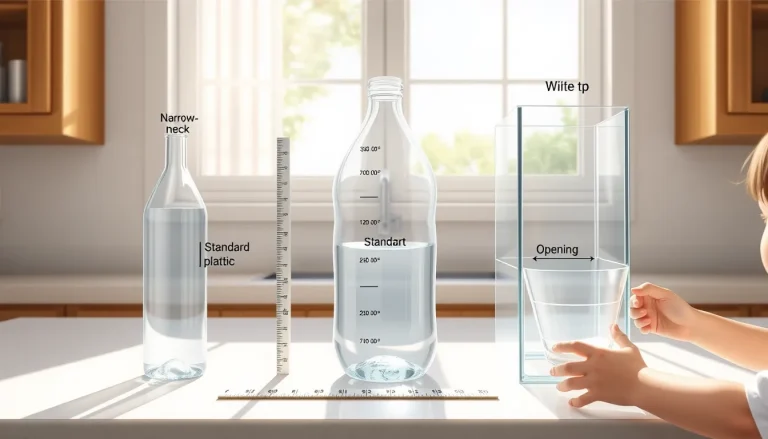
Explore how the amount of open surface influences the speed at which water disappears. By comparing identical volumes of water in containers with different…
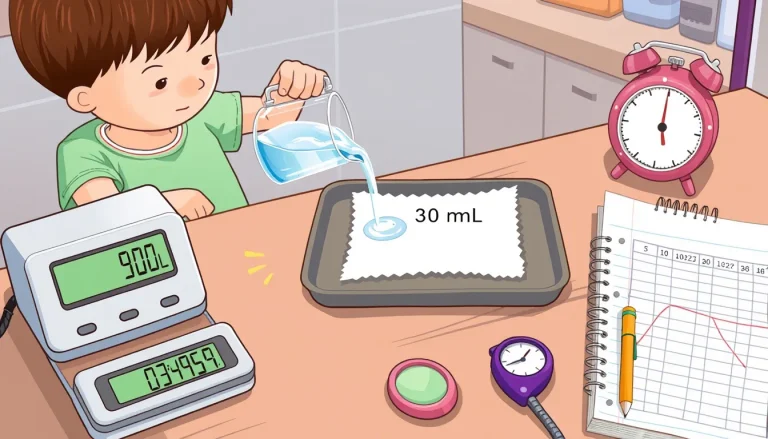
Learn how to compare the water‑absorption power of everyday paper towels with a simple experiment that teaches capillary action, measurement, and data analysis.
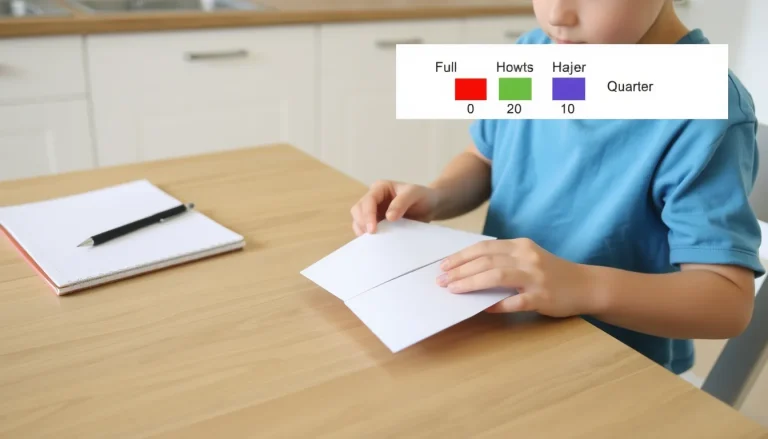
A hypothesis is a testable prediction that guides an experiment. This guide shows how to write clear hypotheses, gives real‑world examples, and walks you…
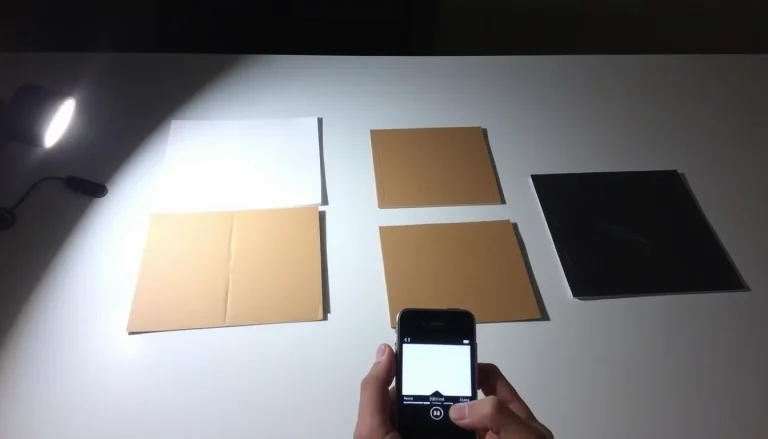
In this simple home experiment you’ll compare how well different everyday materials absorb visible light. Using a flashlight, a few sheets of paper or…