Physics
Does Straw Length Change the Pitch of a Straw Instrument?
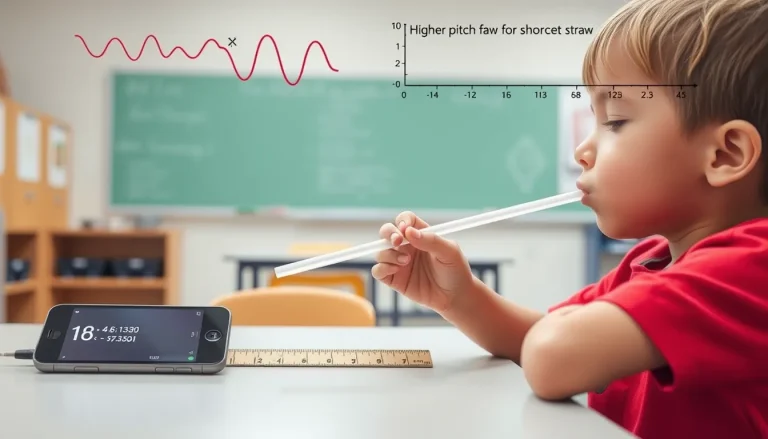
Yes—making a straw shorter raises the pitch, and lengthening it lowers the pitch. By cutting straws to different lengths, measuring the sound frequency, and…
PROJECT TYPE COLLECTION
Everyday materials, clear steps, and big questions. Find a hands-on project that fits your curiosity.
Yes—making a straw shorter raises the pitch, and lengthening it lowers the pitch. By cutting straws to different lengths, measuring the sound frequency, and…
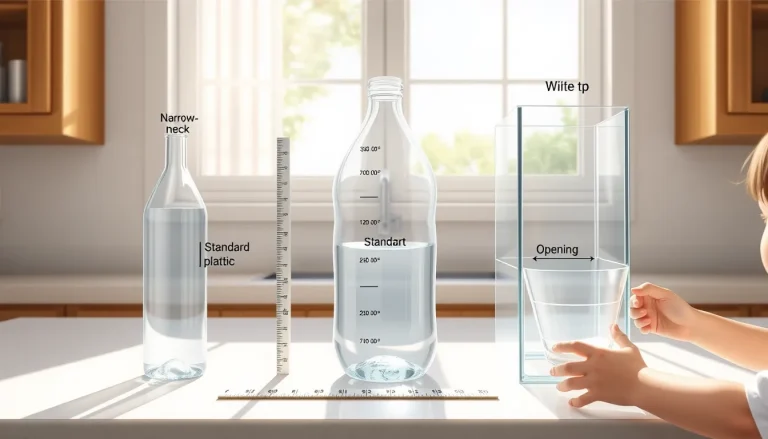
Explore how the amount of open surface influences the speed at which water disappears. By comparing identical volumes of water in containers with different…
A science demonstration becomes a real experiment when you add a clear hypothesis, define variables, use a control, and record repeated measurements. This guide…
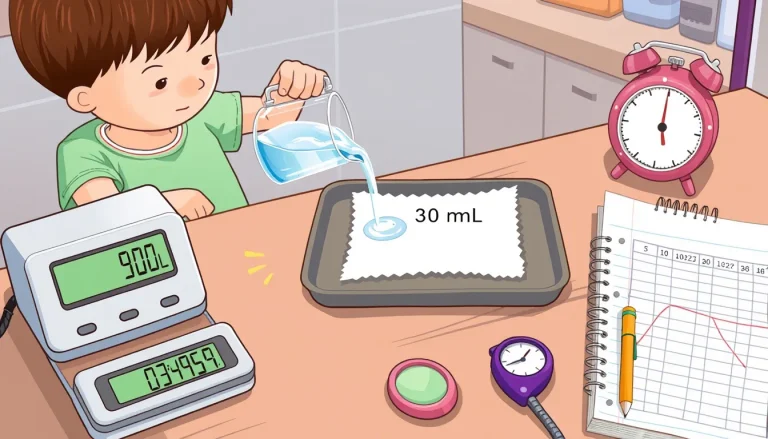
Learn how to compare the water‑absorption power of everyday paper towels with a simple experiment that teaches capillary action, measurement, and data analysis.
A hypothesis is a testable prediction that guides an experiment. This guide shows how to write clear hypotheses, gives real‑world examples, and walks you…
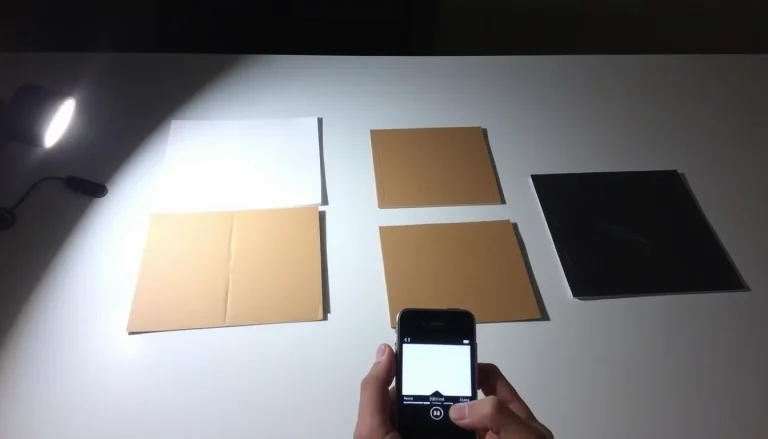
In this simple home experiment you’ll compare how well different everyday materials absorb visible light. Using a flashlight, a few sheets of paper or…
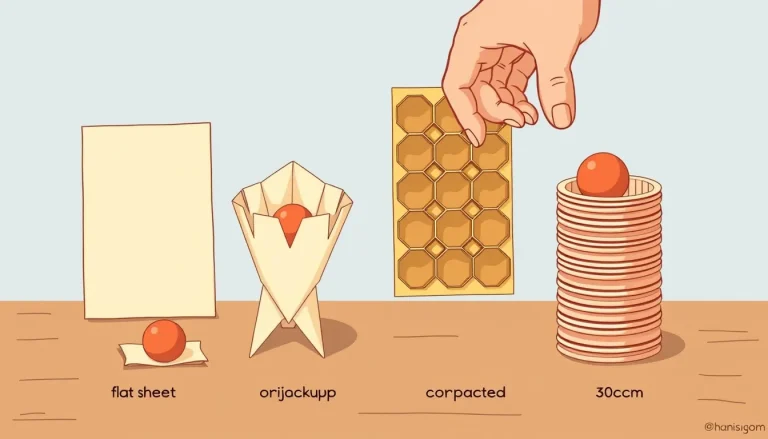
Children test four paper constructions—flat sheet, origami cup, honey‑comb panel, and corrugated tube—to see which shape absorbs impact energy best and keeps a clay…
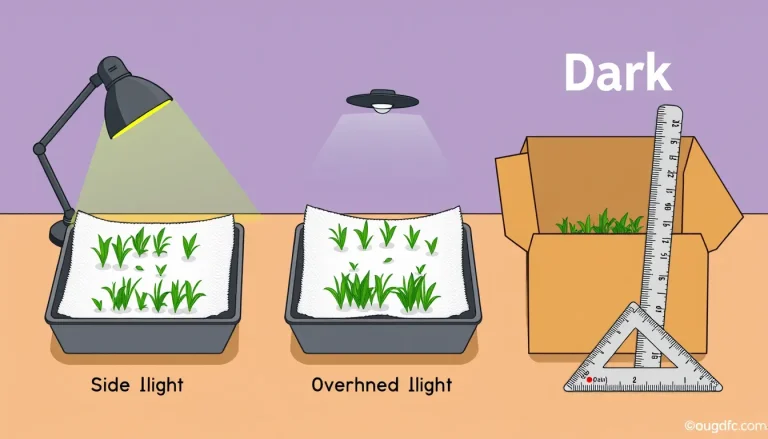
Explore how seedlings bend toward a light source by setting up a simple experiment that compares unilateral, overhead, and dark conditions. Measure curvature over…
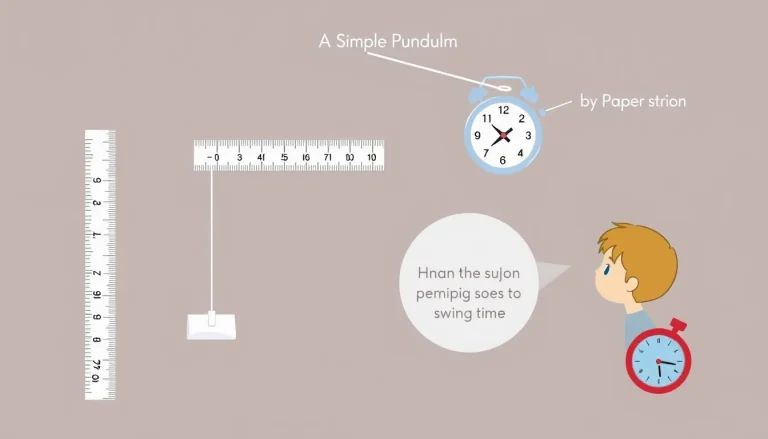
This experiment lets children discover that a longer pendulum swings more slowly. By measuring the period for different string lengths, they see the relationship…