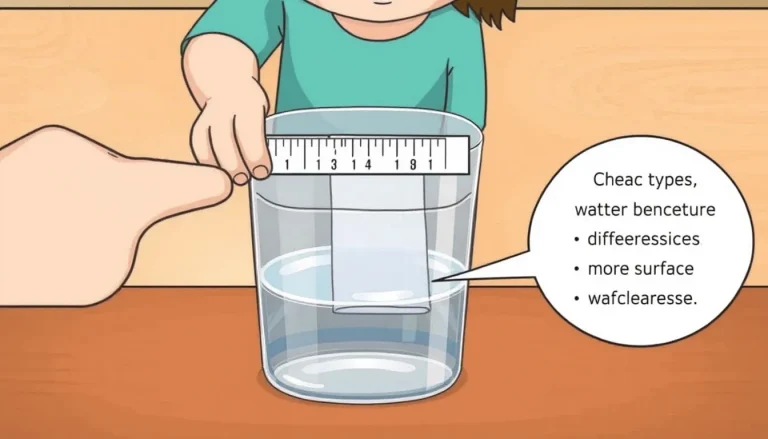
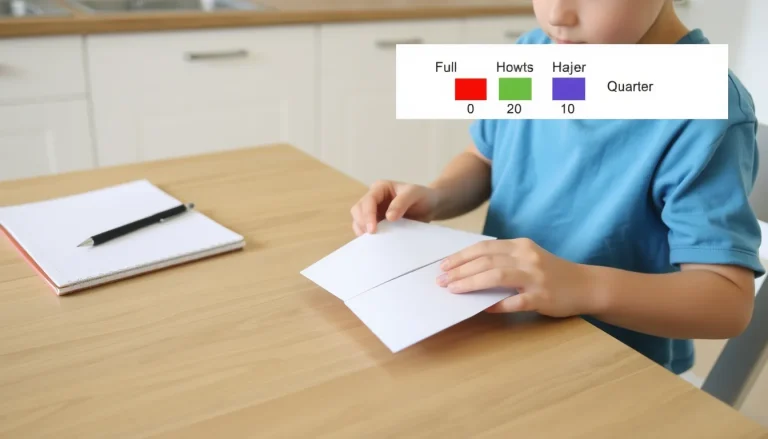
If a science experiment doesn’t work, first check for simple mistakes, reassess uncertainties, and systematically troubleshoot. This guide walks you through a beginner‑level paper‑strip…
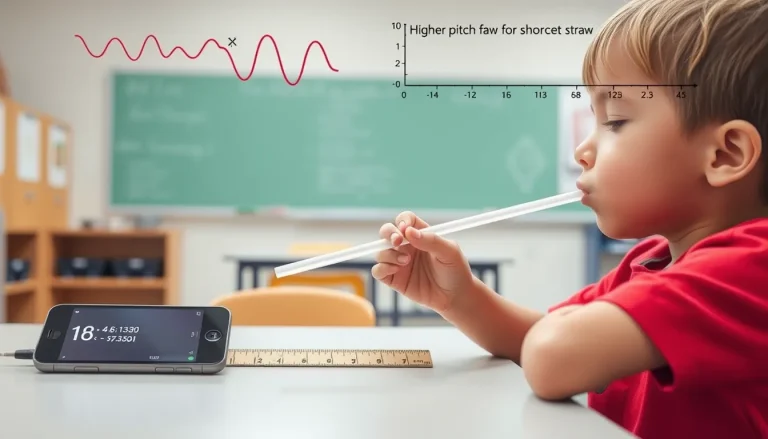
Yes—making a straw shorter raises the pitch, and lengthening it lowers the pitch. By cutting straws to different lengths, measuring the sound frequency, and…
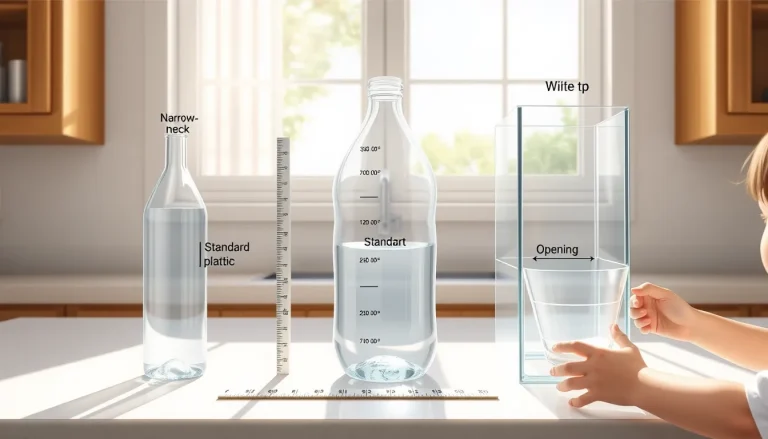
Explore how the amount of open surface influences the speed at which water disappears. By comparing identical volumes of water in containers with different…
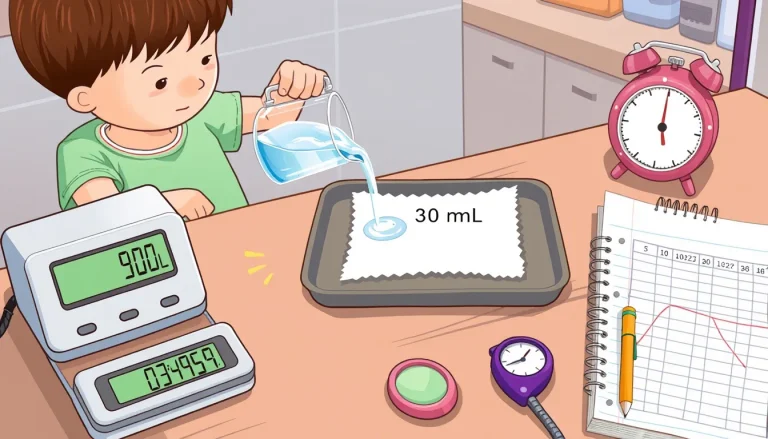
Learn how to compare the water‑absorption power of everyday paper towels with a simple experiment that teaches capillary action, measurement, and data analysis.
A hypothesis is a testable prediction that guides an experiment. This guide shows how to write clear hypotheses, gives real‑world examples, and walks you…
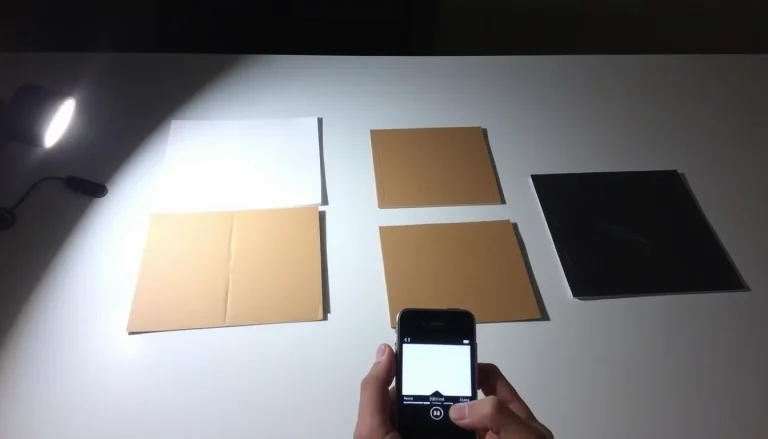
In this simple home experiment you’ll compare how well different everyday materials absorb visible light. Using a flashlight, a few sheets of paper or…
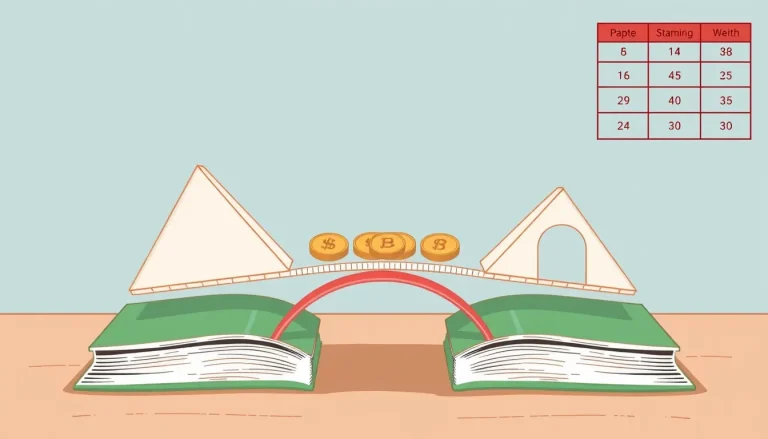
Build simple paper bridges in three shapes—triangle, square, and arch—test how much weight each can support, and discover why triangles are the strongest shape…