Physics
Choosing the Right Units for Your Science Project Measurements
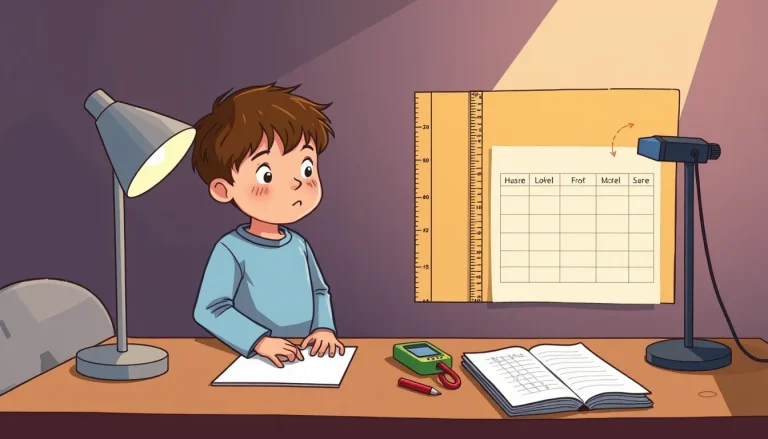
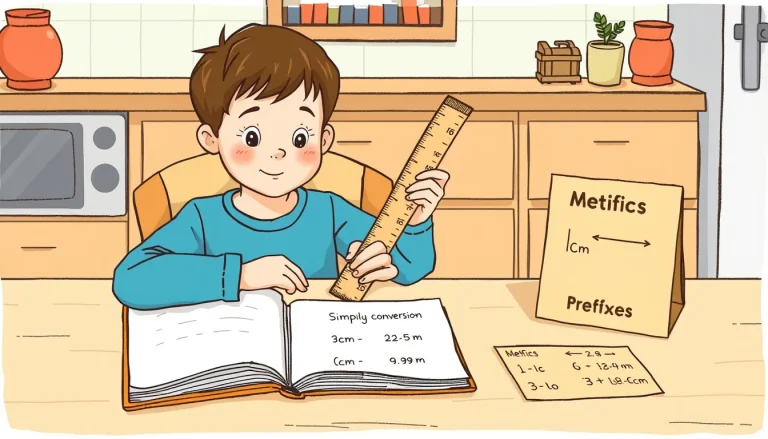
Learn how to pick appropriate measurement units and convert them correctly with a hands‑on demonstration using everyday materials.
DIFFICULTY LEVEL COLLECTION
Everyday materials, clear steps, and big questions. Find a hands-on project that fits your curiosity.
Learn how to pick appropriate measurement units and convert them correctly with a hands‑on demonstration using everyday materials.
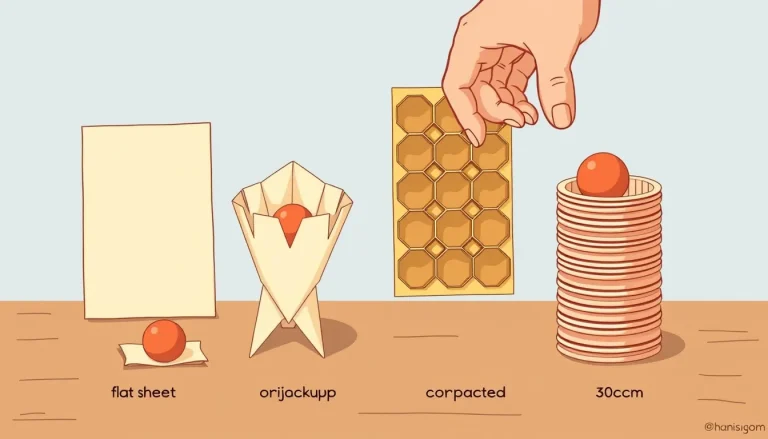
Children test four paper constructions—flat sheet, origami cup, honey‑comb panel, and corrugated tube—to see which shape absorbs impact energy best and keeps a clay…
Create vivid colored shadows using paper, transparent colored sheets, and a simple light source. This low‑mess demonstration lets students see how light, color filters,…
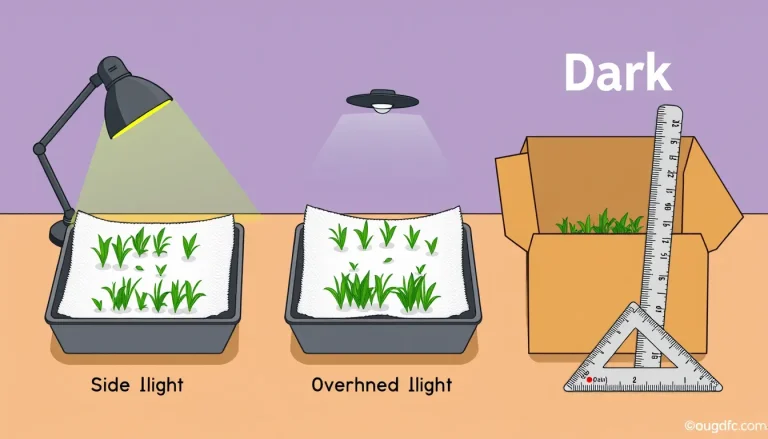
Explore how seedlings bend toward a light source by setting up a simple experiment that compares unilateral, overhead, and dark conditions. Measure curvature over…
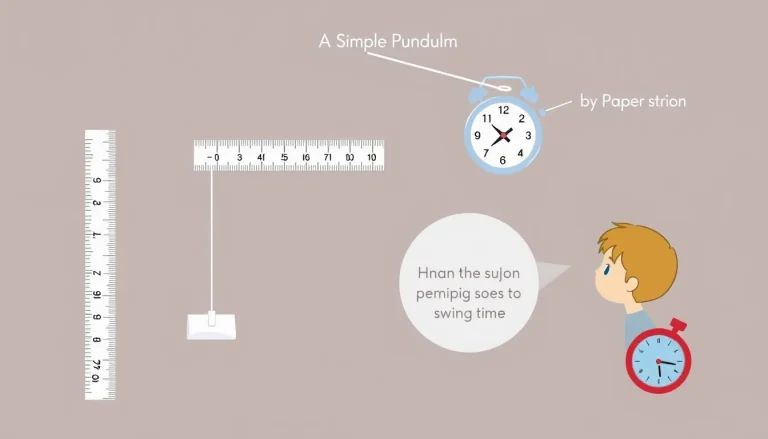
This experiment lets children discover that a longer pendulum swings more slowly. By measuring the period for different string lengths, they see the relationship…
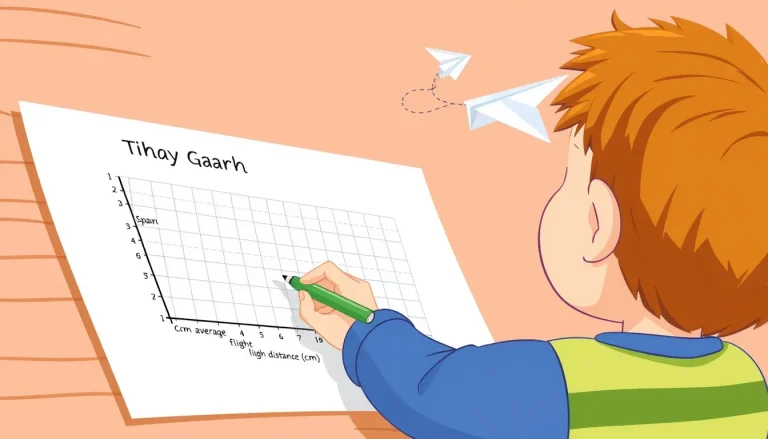
A clear graph title and correctly labelled axes turn raw numbers into a story. Plot the independent variable on the horizontal axis, the dependent…
Design and construct a simple water filter using a recycled plastic bottle and everyday materials. Kids learn about filtration, engineering design, and how to…
Explore the inverse‑square law by measuring how a lamp’s brightness drops as you move a light sensor farther away. This hands‑on experiment uses a…
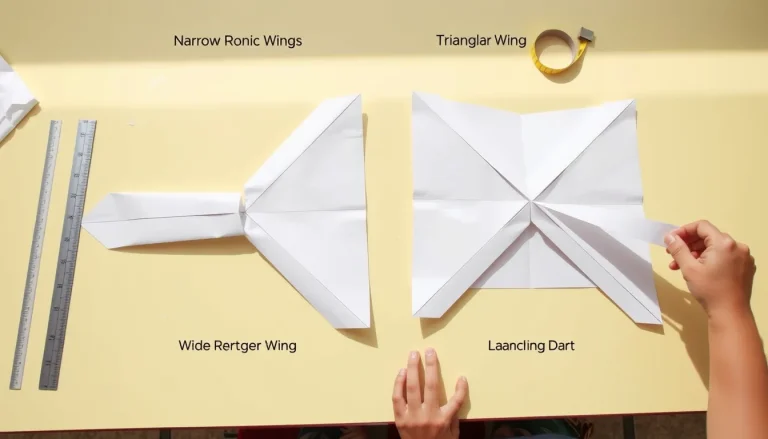
A simple experiment lets children compare a wide‑wing “Hunting” design with a narrow‑wing “Basic Dart” to see how wing shape influences how far a…