Chemistry & Materials
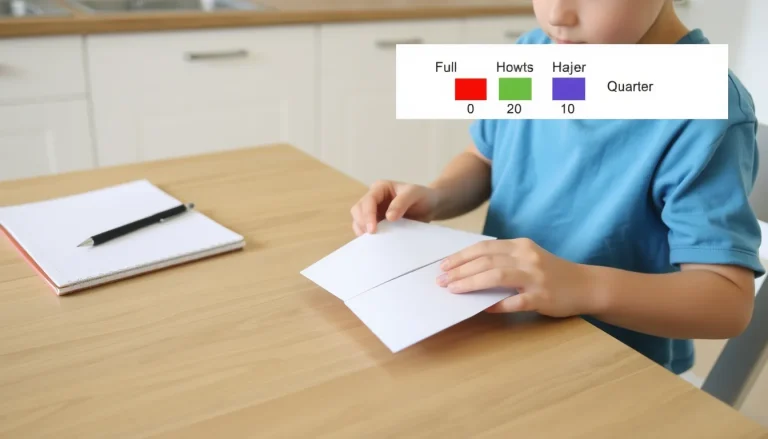
Which Paper Towel Absorbs the Most Water?
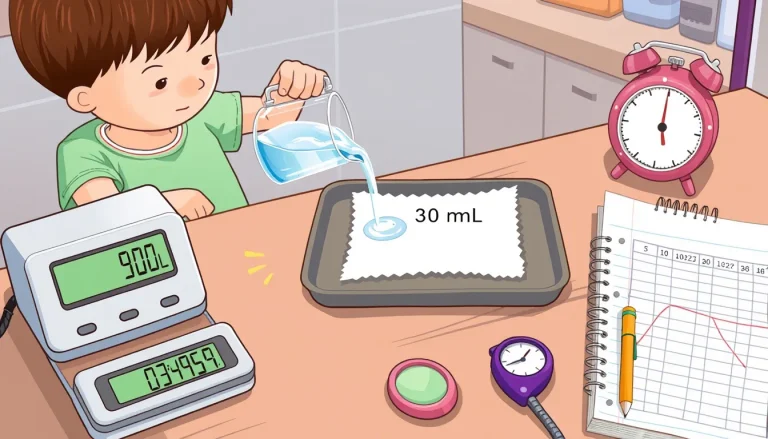
Learn how to compare the water‑absorption power of everyday paper towels with a simple experiment that teaches capillary action, measurement, and data analysis.
MEET A CURIOUS MIND
Explore this author’s published science guides and ideas.
Learn how to compare the water‑absorption power of everyday paper towels with a simple experiment that teaches capillary action, measurement, and data analysis.
A hypothesis is a testable prediction that guides an experiment. This guide shows how to write clear hypotheses, gives real‑world examples, and walks you…
Yes—you can complete a full science experiment in a single session and still gather reliable data. Choose quick projects like a film‑canister rocket or…
You can conduct engaging space‑science investigations at home using everyday items—like making moon craters in flour, launching a balloon rocket, or testing an egg…
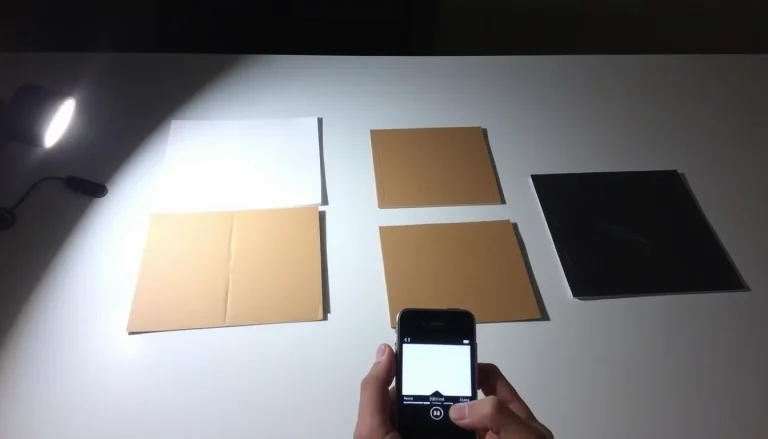
In this simple home experiment you’ll compare how well different everyday materials absorb visible light. Using a flashlight, a few sheets of paper or…
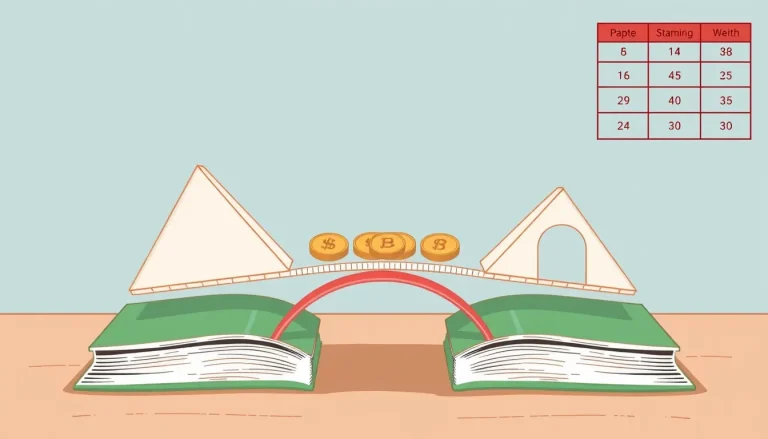
Build simple paper bridges in three shapes—triangle, square, and arch—test how much weight each can support, and discover why triangles are the strongest shape…
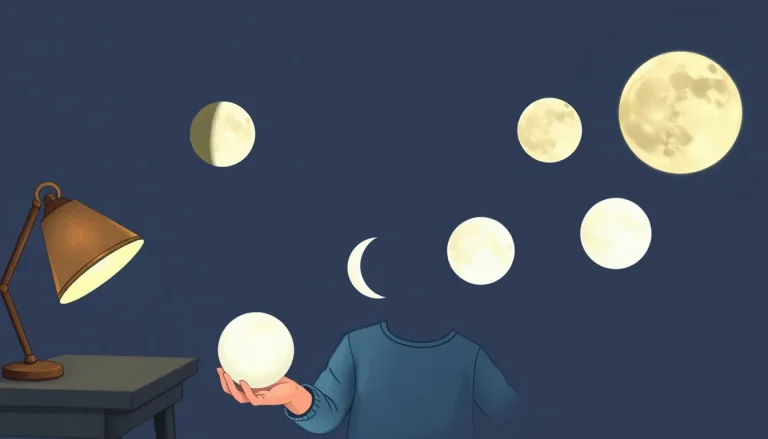
A simple lamp‑and‑ball model lets children see why the Moon looks different each night. By holding a ball in a lamp’s light and turning…
Children plant seeds, record daily changes in a simple journal, and learn how roots, stems, and leaves develop. The activity uses everyday items and…
Learn how to pick appropriate measurement units and convert them correctly with a hands‑on demonstration using everyday materials.