Space Science
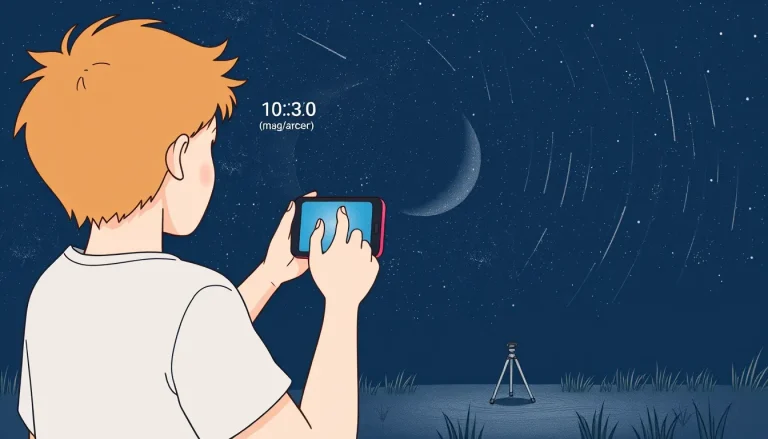
DIY Light‑Pollution Meter: Measuring Night‑Sky Brightness with a Smartphone
Learn how to turn a regular smartphone into a light‑pollution meter, record sky brightness in magnitudes per square arcsecond, and explore the science behind…
MEET A CURIOUS MIND
Explore this author’s published science guides and ideas.
Learn how to turn a regular smartphone into a light‑pollution meter, record sky brightness in magnitudes per square arcsecond, and explore the science behind…
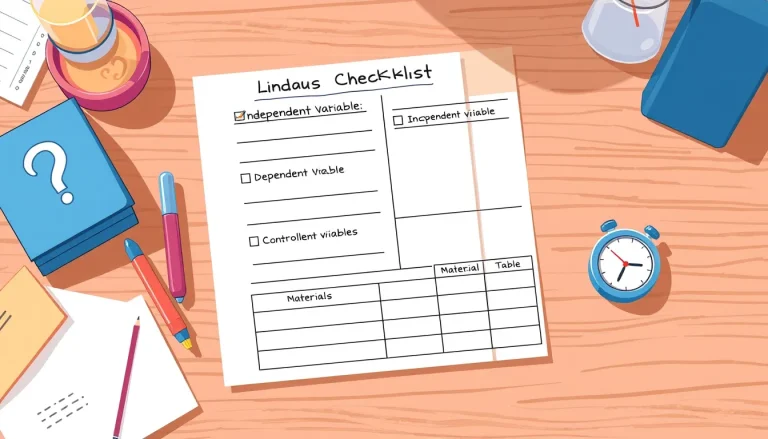
A clear, printable checklist helps children identify independent, dependent, and controlled variables, ensuring fair tests and reliable conclusions. This guide explains the terminology, shows…
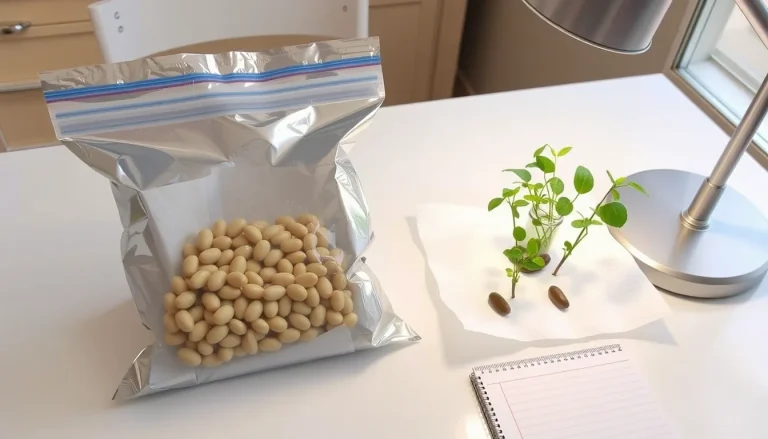
Explore whether light speeds up bean seed germination and shoot growth by comparing seedlings kept in light with those kept in darkness using everyday…
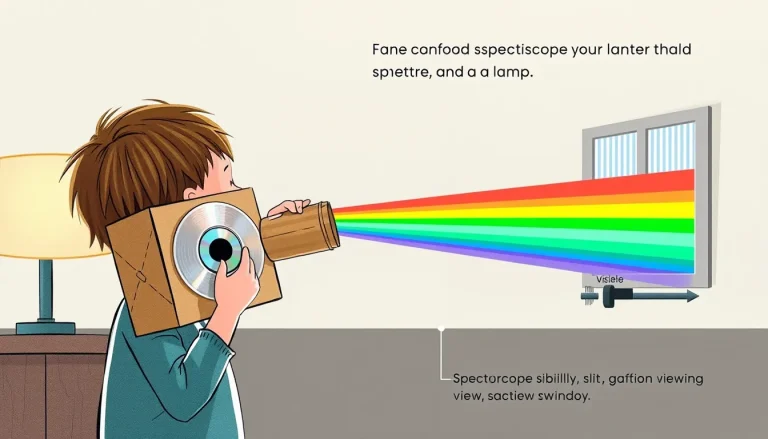
Children can build a simple spectroscope from cardboard and a CD and use it to investigate how different light sources produce different colour spectra.
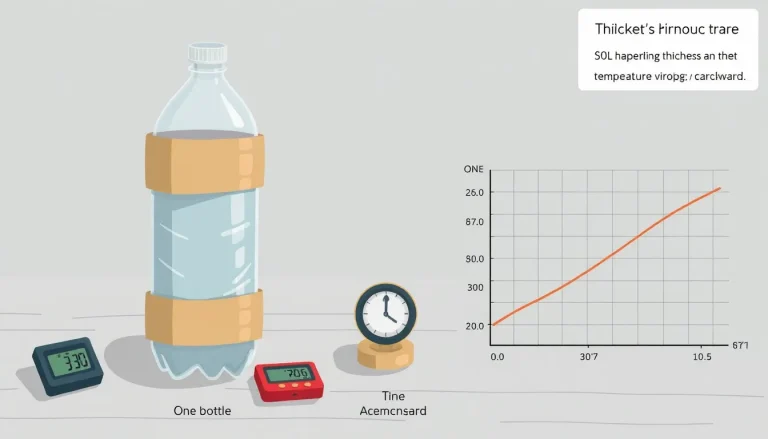
Explore how adding layers of cardboard changes the rate at which a hot bottle of water cools. This beginner‑level experiment lets children measure temperature,…
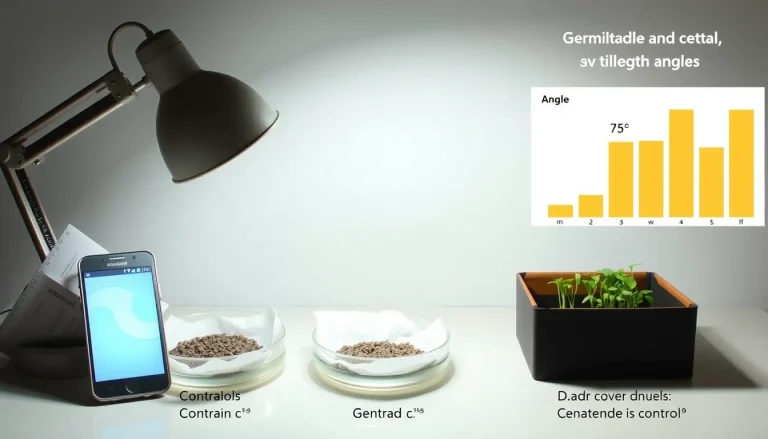
This beginner experiment shows how the tilt of a lamp changes the speed at which seeds germinate. By varying only the lamp angle while…
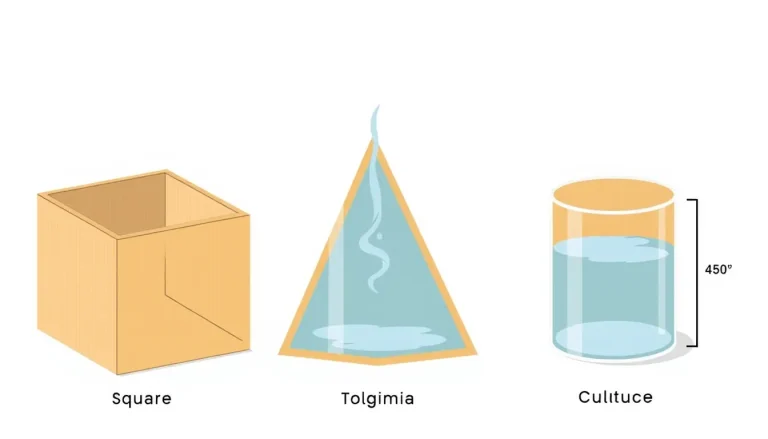
An intermediate‑level experiment that compares square, triangular and cylindrical cardboard tubes to discover which shape can hold the greatest water weight before buckling.
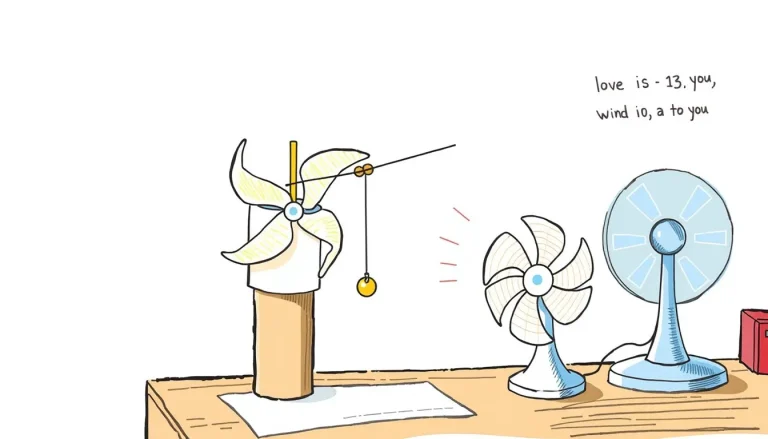
Build a working wind turbine using paper cups, a cardboard tube, and a wooden skewer, then test how much weight it can lift. This…
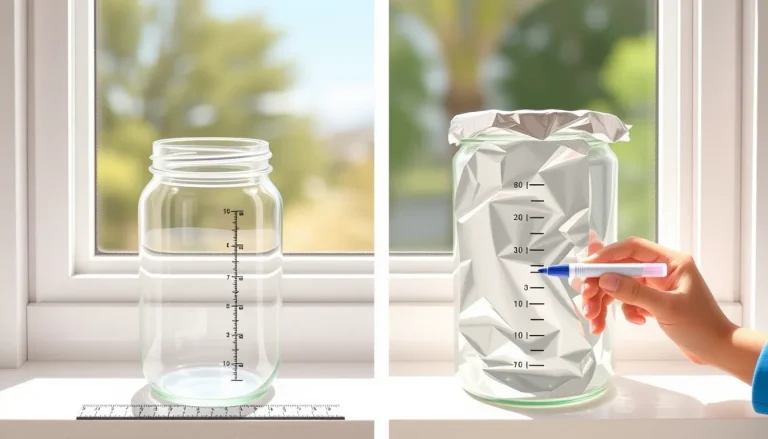
Covering a water container slows the loss of water by evaporation. This beginner‑level experiment lets children compare an uncovered jar with a jar sealed…