Space Science
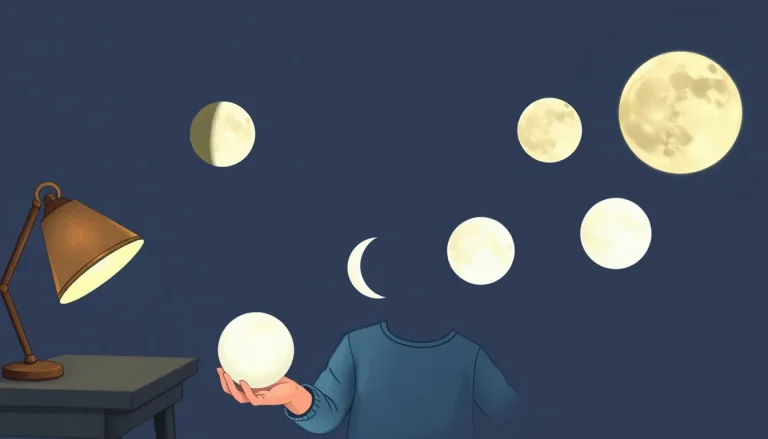
Why Does the Moon Appear to Change Shape? A Lamp‑and‑Ball Model Demonstration
A simple lamp‑and‑ball model lets children see why the Moon looks different each night. By holding a ball in a lamp’s light and turning…
MATERIAL COLLECTION
Everyday materials, clear steps, and big questions. Find a hands-on project that fits your curiosity.
A simple lamp‑and‑ball model lets children see why the Moon looks different each night. By holding a ball in a lamp’s light and turning…
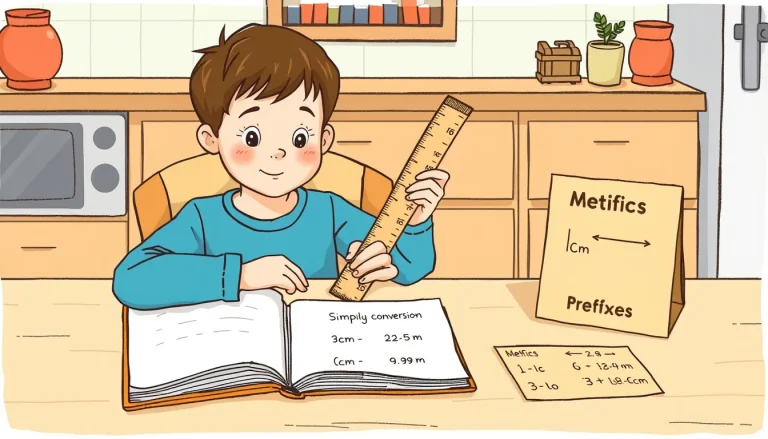
Learn how to pick appropriate measurement units and convert them correctly with a hands‑on demonstration using everyday materials.
Create vivid colored shadows using paper, transparent colored sheets, and a simple light source. This low‑mess demonstration lets students see how light, color filters,…
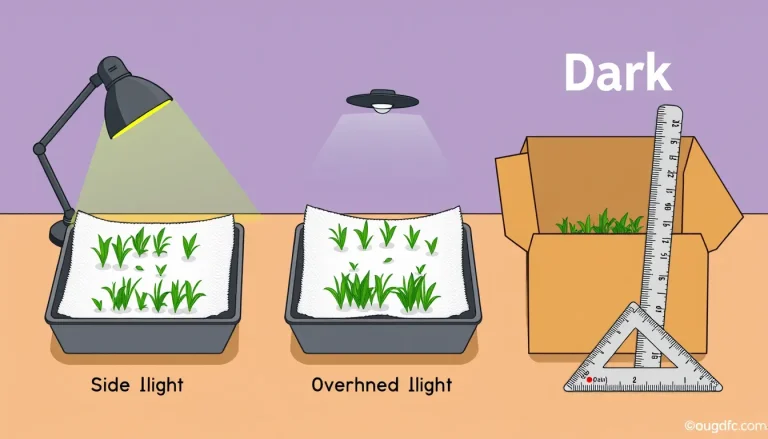
Explore how seedlings bend toward a light source by setting up a simple experiment that compares unilateral, overhead, and dark conditions. Measure curvature over…
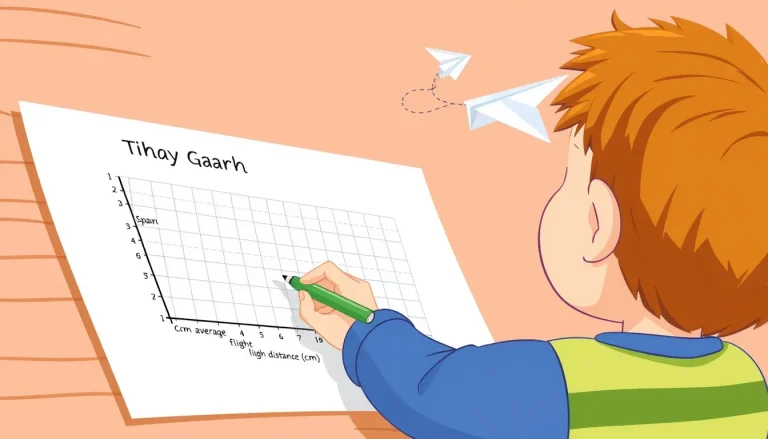
A clear graph title and correctly labelled axes turn raw numbers into a story. Plot the independent variable on the horizontal axis, the dependent…
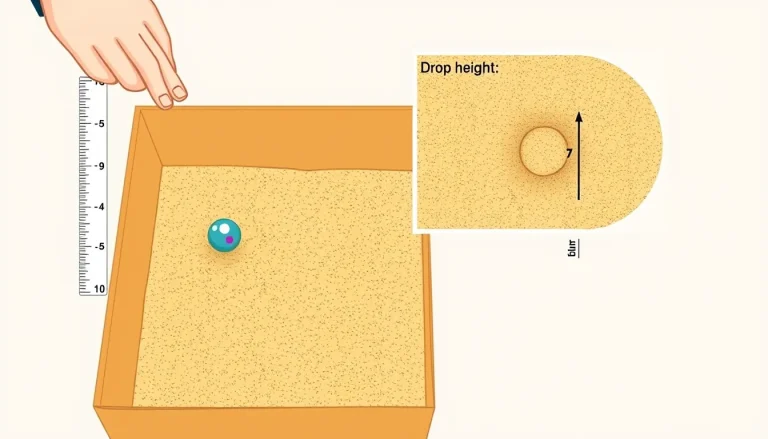
A simple experiment lets children drop marbles into damp sand from different heights to see how the drop height influences the width of the…
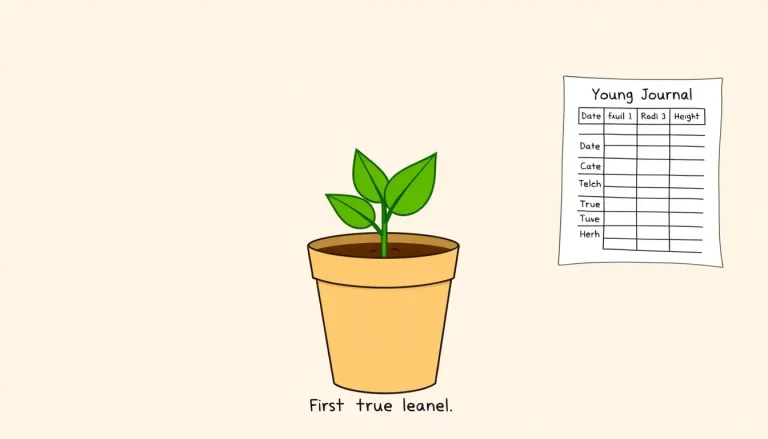
Watch a seedling’s first leaves (cotyledons) turn into true leaves, note changes in shape, size, and color, and record the growth steps over several…
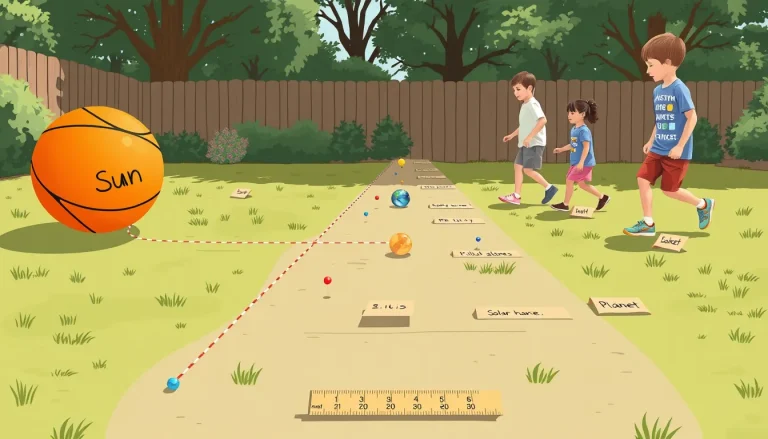
Create a hands‑on, to‑scale model of the solar system using everyday items like balls, beads, and measuring tape. This step‑by‑step guide lets parents, teachers,…
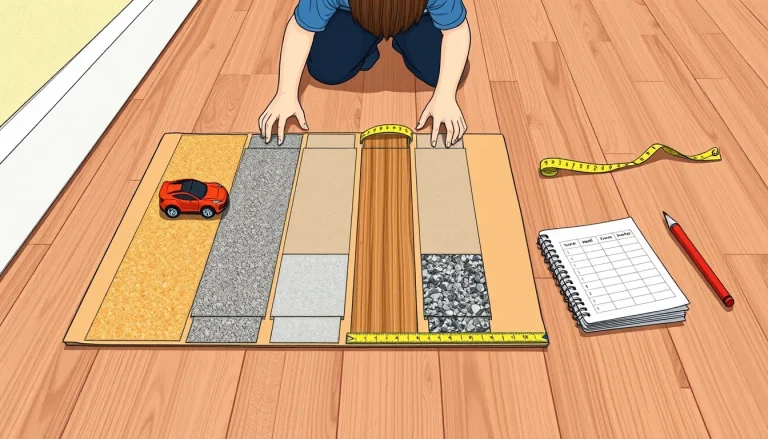
Children test a toy car on different everyday surfaces, measuring how far it rolls to discover which material creates the most friction.