Physics
How Many Trials Should a School Science Project Include? – A Hands‑On Experiment
The ideal number of trials depends on the goal, but three to five repeats are a solid starting point for most elementary projects; more…
MEET A CURIOUS MIND
Explore this author’s published science guides and ideas.
The ideal number of trials depends on the goal, but three to five repeats are a solid starting point for most elementary projects; more…
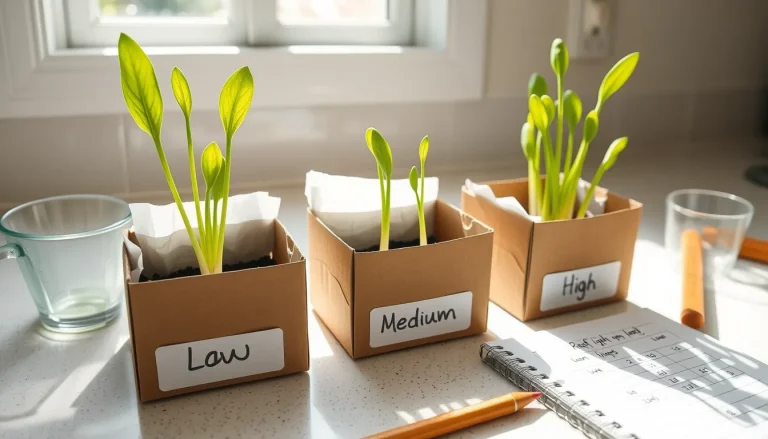
This experiment lets children discover how different amounts of water change the speed and size of radish seedlings. By watering identical seeds with low,…
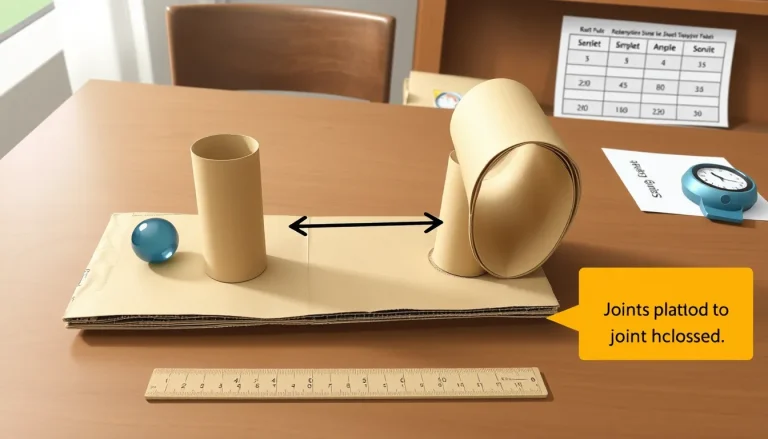
Learn how to turn a simple marble run into a step‑by‑step engineering challenge. By altering one section, testing the effect, and recording the results,…
Learn how to collect reliable data, organize it in clear tables, and turn it into informative graphs. Repeating trials, averaging results, and showing variability…
Explore how everyday kitchen items become tools for learning about materials, from making casein plastic to testing magnetism, with clear steps, safety tips, and…
Discover simple, low‑cost physics activities that use household items. Each project highlights a core concept, suggests measurement ideas, and offers tips for safe, successful…
A fair test changes only one variable at a time while keeping all other conditions the same, allowing you to see how that variable…
{ “title”: “Can a Sail‑Powered Car Travel Farther with a Larger Sail?”, “slug”: “sail-powered-car-larger-sail-distance”, “excerpt”: “A sail‑powered car (or “sailcar”) moves when wind pushes…
The scientific method helps children turn curiosity into clear evidence by guiding them through asking questions, forming hypotheses, testing with simple experiments, and drawing…